


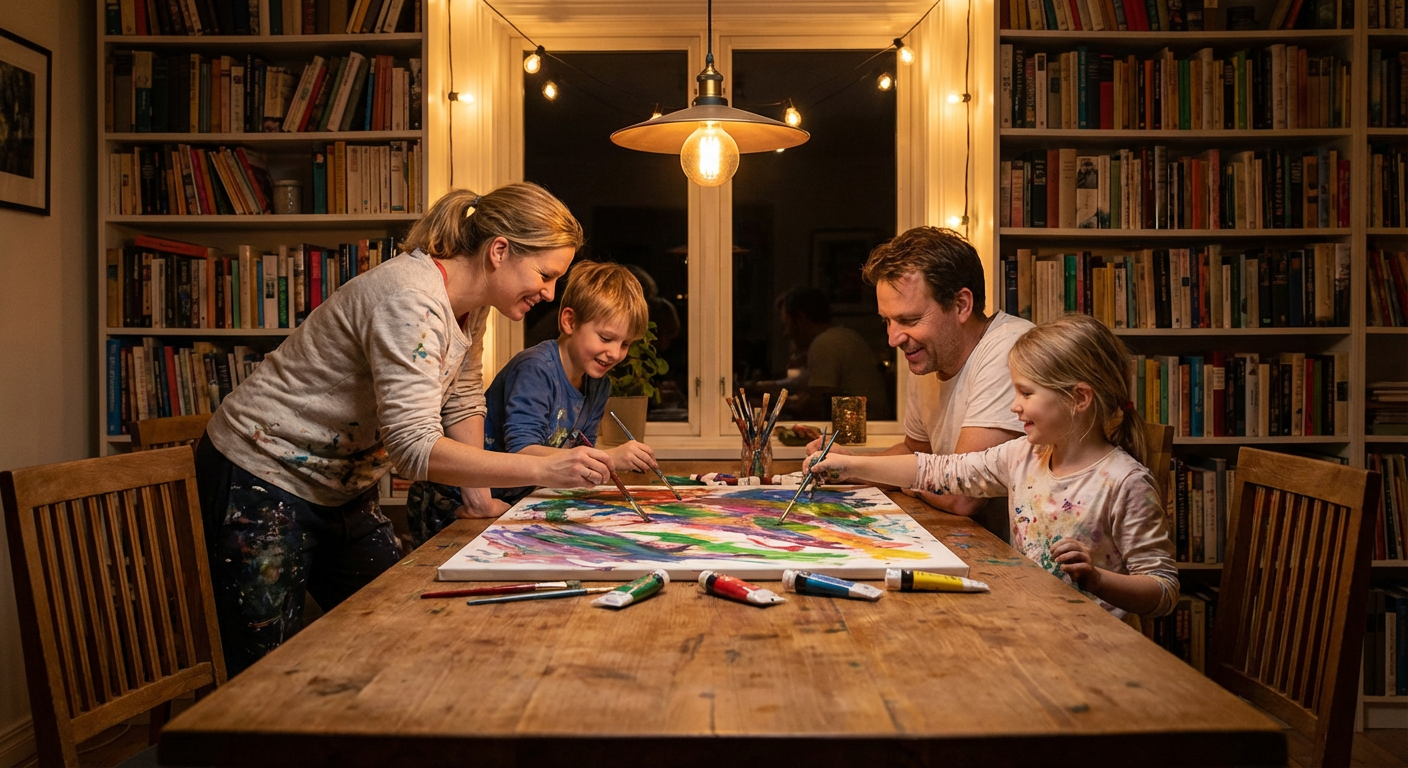
The Digital Fatigue Dilemma: Reclaiming Family Connection
We’ve all seen it, the whole family is sitting in the living room, but the room is silent except for the tapping of screens or the glow of tablets. We are physically present, yet mentally miles apart. This phenomenon, often called being “alone together,” is a major struggle for modern families. We need a bridge to cross that digital divide, and Paint by Numbers provides the perfect solution. It offers a tactile, accessible activity that anyone from a child to a grandparent can enjoy without needing advanced artistic skills.
The beauty of this hobby is how easily it sparks conversation. Unlike watching a movie where everyone stares at a screen, painting keeps your hands busy but leaves your mind free to chat, laugh, and share stories. To make the experience deeply personal, you don’t even have to stick to generic landscape designs. You can simply Turn your favourite family photo into art and work together to recreate a cherished memory, like a vacation snapshot or a picture of the family dog.
The Analog Toolkit: Essential Supplies for Your Home Studio
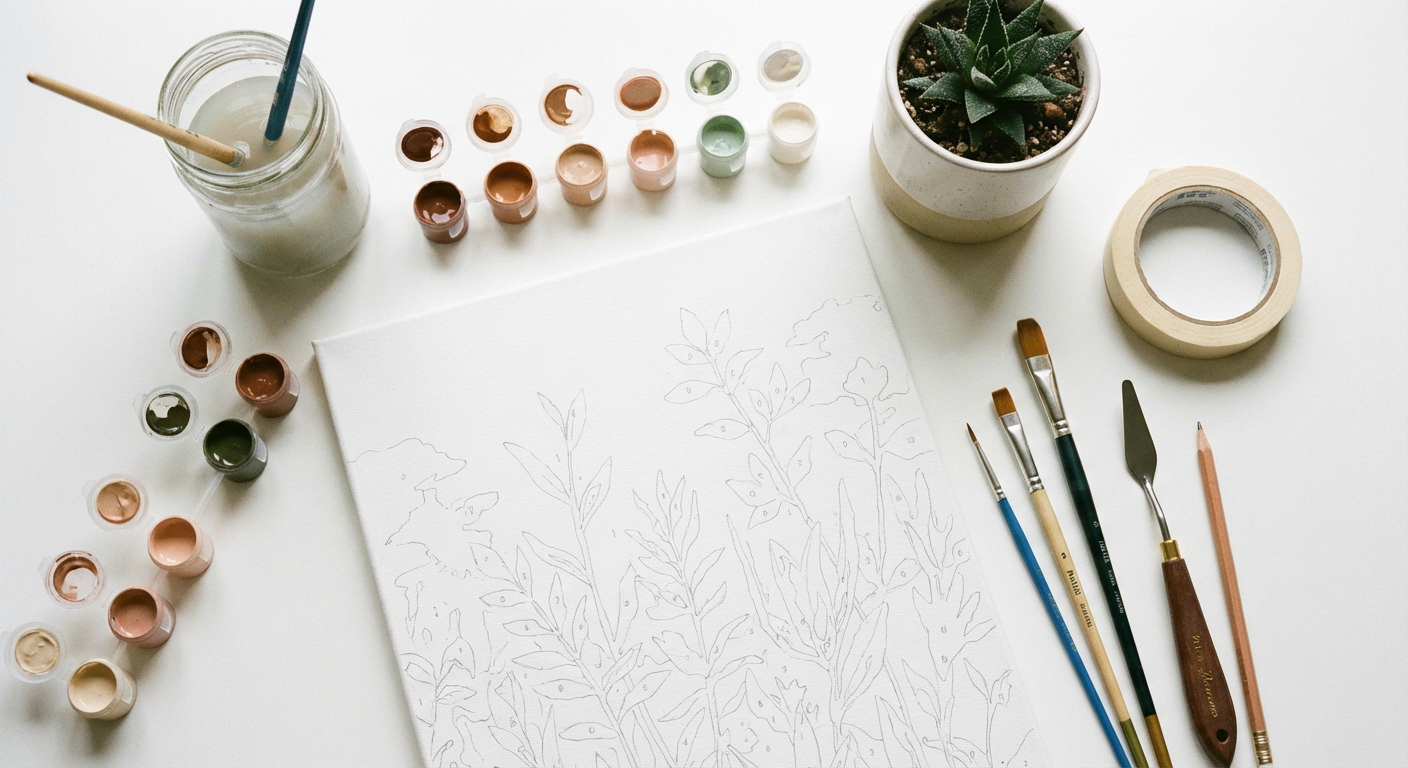
First, verify that your kit contains the core essentials. A complete setup for a successful painting session should include:
Numbered Canvas: The foundation of your art.
Acrylic Paint Pots: Pre-mixed colors labeled to match the canvas.
3-4 Brush Sizes: A mix of flat tips for large areas and fine points for tiny details.
Reference Sheet: A paper map to double-check numbers you have already painted over.
When it comes to the brushes, comfort and durability matter. While most generic kits require buying extra brushes to handle fine details, premium brands like Davincified typically provide high-quality brushes that are sufficient for the whole project.
Next, gather a few extras from around the house. You will need a stable, old cup for water to rinse your tools and a stack of paper towels for drying them thoroughly between colour changes. Proper overhead lighting is also vital to reduce eye strain, as some numbered sections can be quite small.
Finally, prepare your station to avoid messes and ensure the canvas is ready. A wrinkled surface can ruin the fun, so here is a pro tip for Ironing Out the Kinks: If your kit arrives folded, parents should prep the workspace by ironing the back of the canvas on medium heat (no steam) with a towel over it. Starting with a perfectly flat surface prevents frustration for younger painters. With your workspace prepped and your canvas flat, you are ready to begin.
The Psychology of Shared Creativity
Have you ever noticed how quiet a room gets when the TV is on? That is passive consumption. We might be sitting on the same couch, but our minds are miles apart, absorbed in someone else’s story. Paint by numbers flips the script completely. It invites us to engage in active creation. Instead of just absorbing content, you are building something tangible together, transforming a blank sheet into a vibrant memory.
This specific activity triggers a psychological phenomenon known as the Flow State. This is that magical zone where the rest of the world seems to fade away and time flies by. Because paint by numbers provides a clear guide-simply matching a number to a specific color, it removes the stress of decision making. You don’t have to worry about “messing up.” This repetitive, rhythmic motion quiets the mind and significantly reduces anxiety for both stressed-out adults and high-energy kids.
Perhaps the biggest benefit, however, is how it changes the way we talk to one another. When you watch a movie, talking is an interruption. When you paint, conversation becomes part of the rhythm. Here is why shared painting is so effective for bonding:
Low social pressure: You don’t have to make constant eye contact because you are focused on the canvas, which makes shy kids (and teens) open up more easily.
Shared purpose: You are working toward a common goal, which instinctively builds a sense of teamwork and accomplishment.
Mental quiet: Because your hands are busy, your guard comes down, often leading to deeper, more genuine chats that just don’t happen during a movie marathon.
Selecting the Right Project for Your Crew
Picking the perfect paint by numbers kit is the first step toward a successful family art night. If the project is too complex, the kids might get frustrated, if it is too simple, the adults might lose interest. The golden rule is to choose a difficulty level that fits the youngest member of your group. Look for designs with larger shapes and distinct lines, as these are much more forgiving for little hands. Adults can always focus on refining the edges and blending colors to make the simple design look professional.
Once you settle on the complexity, you need to decide on the format. There are two main ways to approach this:
Individual Canvases: Everyone selects their own small kit. This is great for fostering independence and allows each person to pick an image that matches their specific interests.
Collaborative Piece: The family works together on one extra-large canvas. This encourages teamwork and communication as you tackle different sections of the same image.
If you decide on a collaborative project, custom kits are often the most engaging choice since the subject matter has personal meaning. For example, enthusiasts often use services like Davincified to create custom kits, as they can render complex family photos into paintable templates without losing the important details.
Finally, stick to universal themes that appeal to mixed age groups. Highly specific genres might alienate some family members, so aim for broad appeal:
Colorful Animals: From pets to wildlife, animals rarely fail to entertain.
Nature Landscapes: Mountains, beaches, and forests are relaxing and allow for some creative freedom.
Famous Artworks: Recreating a Van Gogh can be a fun history lesson disguised as a craft project.
Strategies for a Smooth and Tantrum-Free Session
The secret to a successful paint by numbers experience isn’t just about staying inside the lines, it’s about managing energy levels.
For younger children, expecting hours of unbreaking focus is a recipe for frustration. Instead, aim for realistic time blocks. A session of 30 to 45 minutes is usually the sweet spot. This allows them to make visible progress without hitting burnout. It is always better to end the session while they are still having fun, rather than pushing until they are tired and sloppy.
To keep the vibe relaxed and the painting safe, try these expert tips:
Set the Mood: Play calming background music or put on a favorite audiobook. This helps kids settle into a “flow state” where they are quiet and focused. Listening to a story while painting keeps the restless part of their brain occupied.
The “One Pot” Rule: Acrylic paints dry very quickly. Teach your child to keep paint pots tightly closed when not in use. A simple rule is to never have two lids open at once. This saves the paint from drying out and turning rubbery.
Respect the Dry Time: Remind little artists that wet paint smears easily. Encourage short “drying breaks” where they can stretch their legs while the canvas sets. This prevents accidental smudges from ruining their hard work.
By managing the clock and the supplies, you turn a potential chore into a relaxing, creative escape that they will want to come back to again and again.

Final Thoughts: Framing the Experience
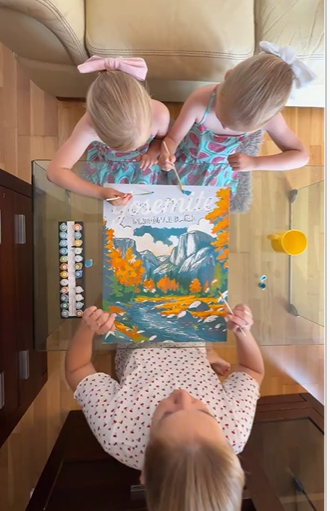
Trading the blue light of a smartphone for the vibrant colors of a paint pot offers a refreshing mental reset. Throughout this guide, we have explored how this hobby helps you enter a flow state and reduce anxiety. The benefits go far beyond the finished image; the process itself is the reward. When you swap passive scrolling for active creating, you aren’t just passing time; you are actively recharging your mental battery.
As you near the end of your project, you should start thinking about presentation. While the painting process is relaxing, the final product deserves a spot on your wall. You generally have two main choices for display:
Standard Framing: This places the canvas behind glass or acrylic, often with a mat board. It offers a classic, museum-style look that protects the paint from dust.
* Gallery Wrap: This involves stretching the canvas over a wooden frame so the image wraps around the sides. It creates a modern, borderless appearance that pops off the wall.
Of course, you might not finish a detailed kit in a single weekend. If you need to pause, keeping your work safe is important. It is helpful that brands like Davincified ship canvases in sturdy tubes, which not only protects the art during shipping but provides a great storage solution for unfinished works between sessions. This keeps the material smooth and crease-free until you are ready to pick up the brush again.
Now that you understand the process, don’t overthink it. Schedule your first ‘Art Night’ for this coming weekend. Clear off the dining table, put on a relaxing playlist, and open your kit. You might be surprised by how satisfying it is to simply unplug and paint.